
Kythnos is the only Cycladic island where the famous thermal springs gush, that apparently give the name “Thermia”, after the Greek word “thermos” which means “hot”. The seaside settlement of Loutra is located at the northeastern end where a fully-equipped hydrotherapy center is situated. The spring called “Agioi Anargyroi” and the one of “Kakavos”, gush their fervor since antiquity. Rich in salts, sulfur and iron, they are mixed with sea water and offer wellness and rejuvenating bathing with healing properties for various ailments.
Plakares
Kythnos is a destination that combines natural beauty with cultural heritage, offering unique attractions worth discovering. The famous thermal springs at Loutra, known since antiquity for their healing properties, offer an experience of absolute relaxation. The wildlife sanctuary reveals the unexplored side of the island, while its museums take the visitor on a journey through the history and culture of Kythnos. From natural wonders to cultural gems, every corner of the island hides a little surprise worth discovering.
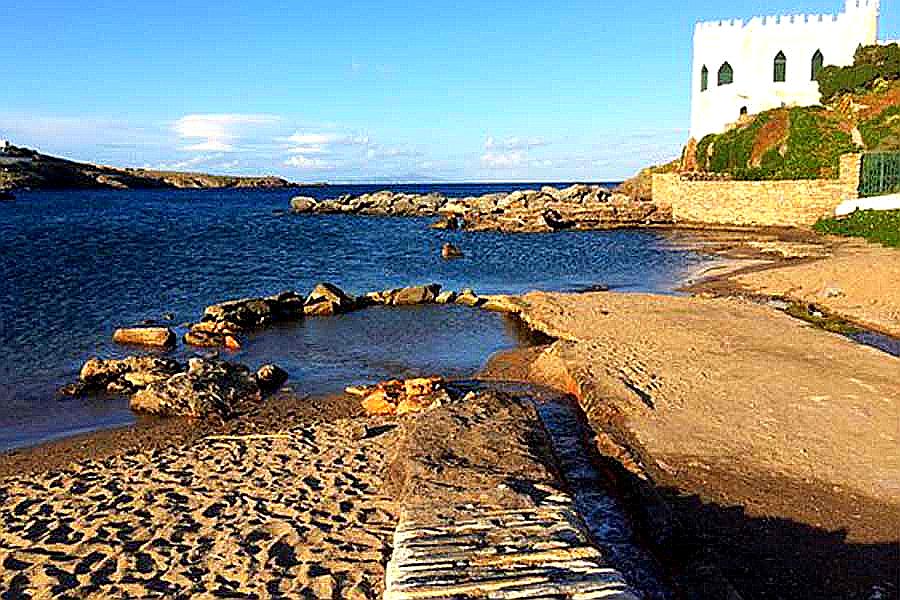
Thermal Springs
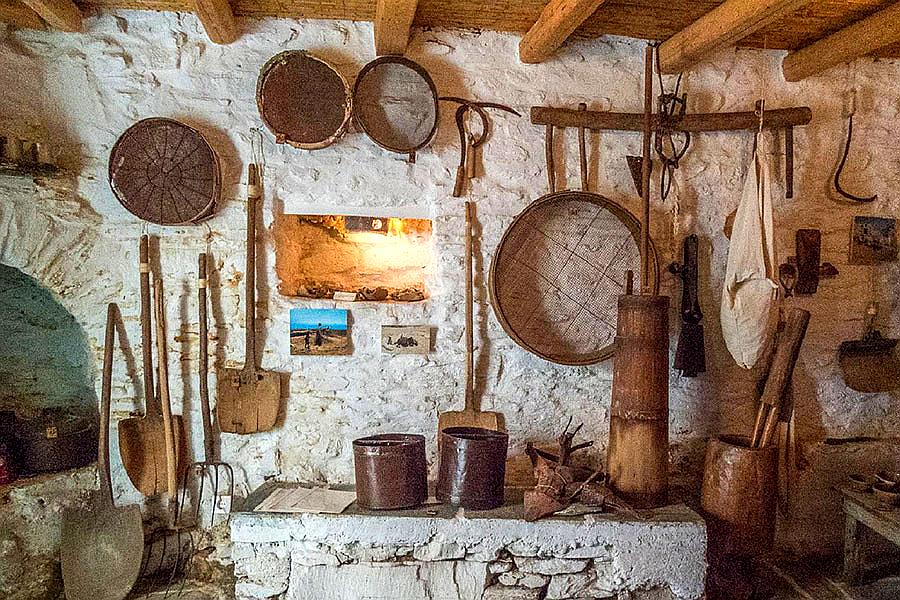
Folklore Museum of Chora
In “Piatsa”, in a traditional residence of the era, the Folklore Museum of Kythnos Chora, is situated. Admirable objects of folk art and daily life routine of the residents called “Thermiotes”, household utensils, agricultural tools, traditional costumes, textiles and the bridal room with the bride’s dowry, vividly unfold the past, while keeping alive the spiritual tradition of the island.
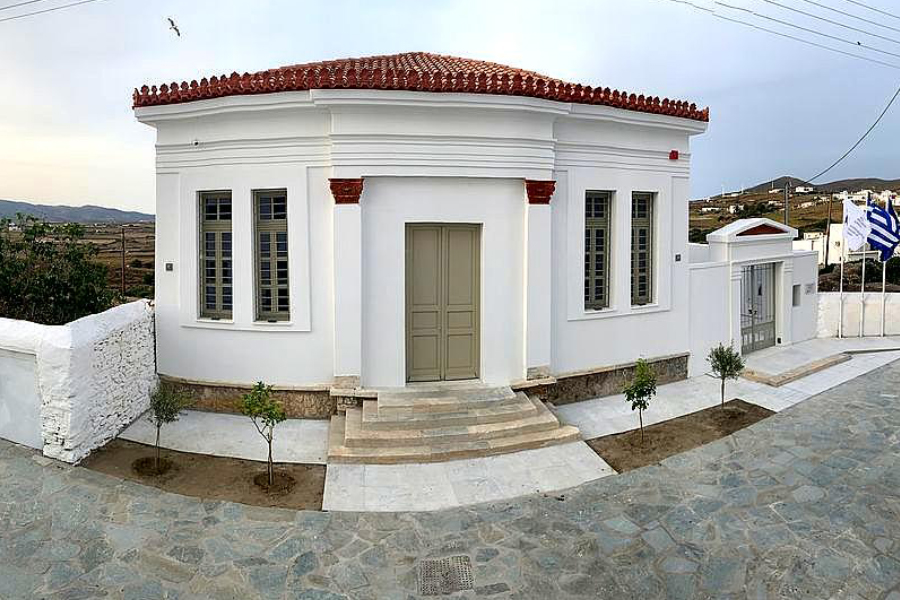
Archaeological Museum
The history of Kythnos from prehistoric to modern times unfolds through the exhibits in the Archaeological Museum of the island. It is located in the old Primary School of Chora, in a building constructed in the late 19th century according to the Royal Decree of 1894, which formed the first state program for the construction of schools. Excavations carried out in the ancient city of Vryokastro and archaeological material derived from excavations at key sites of Kythnos are among the exhibits, as well as material that revealed excavations in the early settlement of Maroulas, near the area of Loutra. Also, the intense mining activity of the island since prehistoric times is presented through the various samples and residues of mining processing.
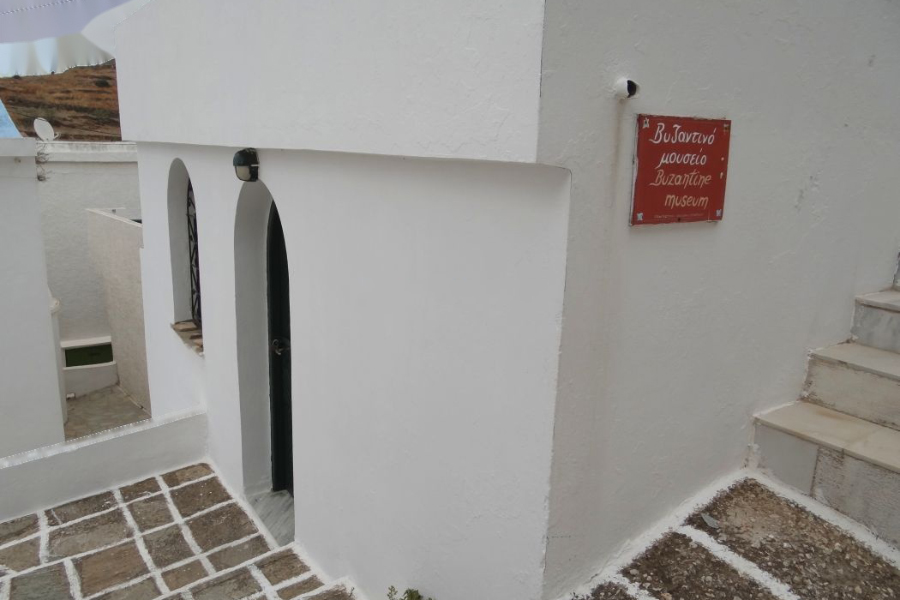
Ecclesiastical & Byzantine Museum
In the church of Agios Georgios in Dryopida, the Ecclesiastical & Byzantine Museum of the island is hosted in a specially designed area, an initiative of Father Konstantinos Gonides. Byzantine hagiographies, ecclesiastical objects such as vestments, sanctuaries, books, priestly vessels, chalices, candelabras, are some of the exhibits that fulfill this special collection. Among them, there exist icons of the 18th century painted on Mount Athos.
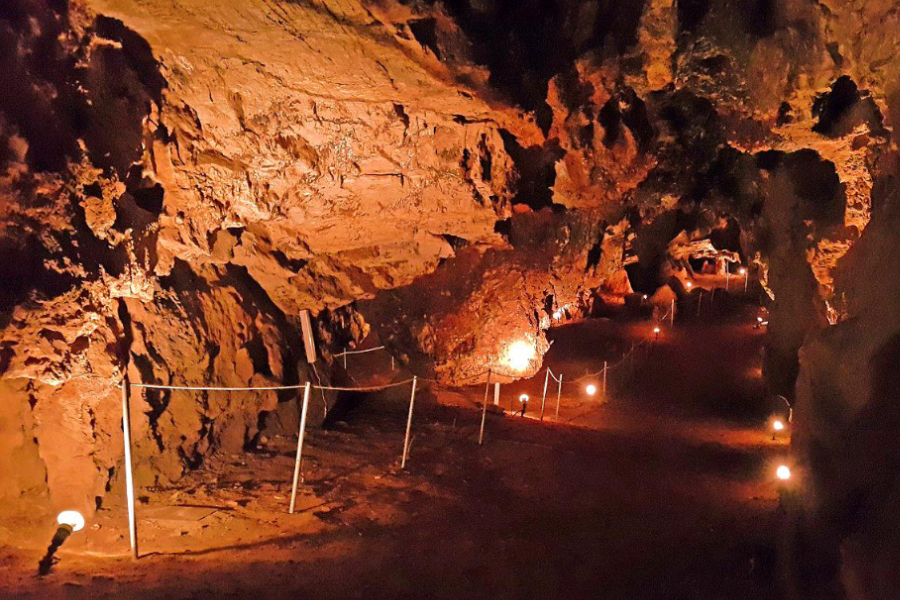
Katafiki Cave
Constituting a refuge during the years of pirates attack, the Franks and the Turkish occupation and the Second World War, Katafiki, the most famous cave of Kythnos, remains until today unexplored in its largest part. It is located at an altitude of 190 meters on the north side of the settlement of Dryopida, in a constant temperature of 17oC with the mapped part of the cave extending only 600 meters. Elderly stalagmites and stalactites impress the visitor in the visitable part of the cave, with the eroded rocks causing awe. Inside the natural cave there are labyrinthine corridors covering an area of about 3,500 m2 with a set of natural galleries created by the flow of an ancient torrent and artificial galleries constructed by the locals in the previous century, following the needs of mining ores in the period 1835-1940. These are quarry minerals such as marble and shale slabs as well as Hematite, one of the most famous iron minerals with wide use in jewelry but also as a basic raw material in blast furnaces. In recent years, a significant effort has been made by local authorities, featuring the tourist development of the cave. Although a very small part is accessible, it is absolutely astonishing and fascinates every visitor.